
Across Aotearoa New Zealand, a festival might mean Pacific food and dance in Auckland, kapa haka in Waikato, a Matariki gathering at dawn or New Year's music beside the Southern Alps. A free street celebration calls for less planning than a reserved theatre show or a rural camping festival.
Dates, location and audience matter more than a headline lineup. Families might prefer daytime performances and nearby facilities; music fans need to check R18 rules and the trip home. Theatre, Māori arts and regional food events run beyond the crowded summer calendar.
When are New Zealand's main festival seasons?
December to March is busy with outdoor music and cultural celebrations, particularly over New Year and in February and March. Summer brings strong sun, rain and accommodation pressure. In autumn, regional food events and arts programmes draw crowds; Central Otago's changing leaves add to the setting. Winter includes Matariki, film, food and light events. Spring is associated with design, heritage and multicultural festivals.
| Season | Typical months | Events and experiences | Planning consideration |
|---|---|---|---|
| Summer | December–February | Rhythm and Vines, Rhythm & Alps, TSB Festival of Lights, Waitangi Day, Te Matatini, Auckland Lantern Festival, Art Deco Festival Napier | Peak-season travel, outdoor conditions and New Year's accommodation |
| Autumn | March–May | Pasifika Festival, WOMAD, Auckland Arts Festival, fringe festivals, Hokitika Wildfoods, Arrowtown Autumn Festival, Wānaka Festival of Colour, NZ Music Month | Several March weekends overlap; cooler evenings in the south |
| Winter | June–August | Matariki, New Zealand International Film Festival, Visa Wellington On a Plate, Lōemis | Moving holiday dates, shorter days and weather-sensitive travel |
| Spring | September–November | World of WearableArt, Nelson Arts Festival, Auckland Diwali Festival, Wellington Heritage Festival, Wellington Jazz Festival | Programmes often include separate venues, sessions and ticket releases |
Waitangi Day falls on 6 February, although the observed public holiday may be on Monday. The Matariki public holiday follows the Māori lunar calendar and changes each year. Festival organisers sometimes release exact venues or session timetables closer to opening.
Confirmed dates for the 2026–27 festival season
Organisers and official destination bodies had announced these 2026–27 dates by November 2026. Performance timetables, transport arrangements and entry conditions can change, so the organiser's current listing takes precedence.
| Event | Dates | Location |
|---|---|---|
| TSB Festival of Lights | 19 December 2026–24 January 2027 | Pukekura Park, New Plymouth |
| Rhythm and Vines | 28–31 December 2026 | Waiohika Estate, Gisborne — final edition at this venue |
| Rhythm & Alps | 30–31 December 2026 | Cardrona Valley, near Wānaka |
| Waitangi Day | 6 February 2027 | Waitangi Treaty Grounds, Northland |
| New Zealand Fringe Festival | 12 February–6 March 2027 | Wellington |
| BNZ Auckland Lantern Festival | 18–21 February 2027 | Manukau Sports Bowl, Auckland |
| Art Deco Festival Napier | 18–21 February 2027 | Napier, Hawke's Bay |
| Te Matatini | 23–27 February 2027 | Hopuhopu, Ngāruawāhia, Waikato |
| Electric Avenue | 26–27 February 2027 | Hagley Park, Christchurch; R18 |
| Auckland Arts Festival | 4–21 March 2027 | Auckland venues |
| Dunedin Fringe Festival | 4–14 March 2027 | Dunedin |
| WOMAD Aotearoa | 12–14 March 2027 | Brooklands Park, New Plymouth |
| Pasifika Festival | 13–14 March 2027 | Western Springs Park, Auckland |
| Hokitika Wildfoods Festival | 13 March 2027 | Cass Square, Hokitika |
| ASB Polyfest | 17–20 March and 5–8 April 2027 | Manukau Sports Bowl; Due Drop Events Centre, Auckland |
| Wānaka Festival of Colour | 3–11 April 2027 | Wānaka, Southern Lakes |
| Arrowtown Autumn Festival | 15–18 April 2027 | Arrowtown, Central Otago |
| Matariki public holiday | Friday 25 June 2027 | Nationwide; celebration programmes vary |
| World of WearableArt Show | 16 September–3 October 2027 | TSB Arena, Wellington |
WOMAD in New Plymouth and Auckland's Pasifika Festival both run on 13–14 March 2027. The trip between Taranaki and Auckland would take up a considerable portion of that weekend. Treat them as alternatives rather than two stops on the same day.
Māori culture, Pacific communities and shared celebrations
Matariki: the Māori New Year
Matariki marks the Māori New Year as the Matariki star cluster (the Pleiades) rises. Many gatherings draw on Matariki Hunga Nui to remember those who have died, Matariki Ahunga Nui to give thanks for the present, and Matariki Manako Nui to look towards the future. Whānau come together for kai, stories, music and remembrance.
Traditions differ between iwi and regions; some communities recognise Puanga in their New Year observances. Mana whenua may lead dawn gatherings, talks, performances or exhibitions. The 2027 public holiday is Friday 25 June, but local programmes need not start or finish on that day. The host community sets the tone for participation.
Waitangi Day: commemoration, debate and community
At the Waitangi Treaty Grounds in the Bay of Islands, 6 February commemorates the first signing of Te Tiriti o Waitangi in 1840. A dawn service, cultural performances, food and craft stalls and family activities feature in the free public gathering. Other communities across Aotearoa mark the day in their own ways.
Commemoration brings discussion as well as celebration. The Māori and English treaty texts, the relationship between Māori and the Crown, and ongoing Treaty debates are inseparable from Waitangi Day.
Te Matatini and kapa haka at its highest level
Te Matatini is a biennial national festival of elite kapa haka, with roots in competitions dating to 1972. Competing rōpū combine waiata, haka, movement, costume, te reo Māori and tikanga.
Te Matatini o Ngā Taniwha runs at Hopuhopu, Ngāruawāhia, Waikato, from 23 to 27 February 2027, hosted with Tainui waka. Organisers expect 57 competing kapa. Following the heats and finals requires tickets and time on site; Hopuhopu is outside central Hamilton, so travel to the actual venue needs to be arranged.
Pasifika Festival and ASB Polyfest are different experiences
Auckland's Pasifika Festival fills Western Springs Park with Pacific Island music, dance, food, crafts and community performances. Entry is free in 2027. The open-air cultural spaces suit groups of different ages, though the distances across the park matter for pushchairs and anyone with limited mobility.
ASB Polyfest is the Auckland Secondary Schools Māori & Pacific Islands Cultural Festival. School groups compete in cultural performance, including music, dance, costume and speech. In 2027 the Pasifika and Diversity stages run 17–20 March at Manukau Sports Bowl; Te Paparewa Māori follows on 5–8 April at Due Drop Events Centre. Those are two parts of the same school festival, not one continuous event.
Lantern Festival and Diwali in Auckland
At the BNZ Auckland Lantern Festival, hundreds of handmade lanterns, food stalls and performances mark Lunar New Year. The 2027 dates are 18–21 February at Manukau Sports Bowl. Entry is free but requires a ticket. With road closures and limited parking, public transport is the practical option for many visitors.
BNZ Auckland Diwali Festival takes place in spring, not during the February Lantern Festival. Aotea Square and nearby central Auckland streets host Indian dance, music, vegetarian food and crafts. The 2026 celebration ran on 31 October and 1 November. Diwali dates change, and towns outside Auckland hold their own community events.
Music festivals: a street party, a weekend in the park or a campsite?
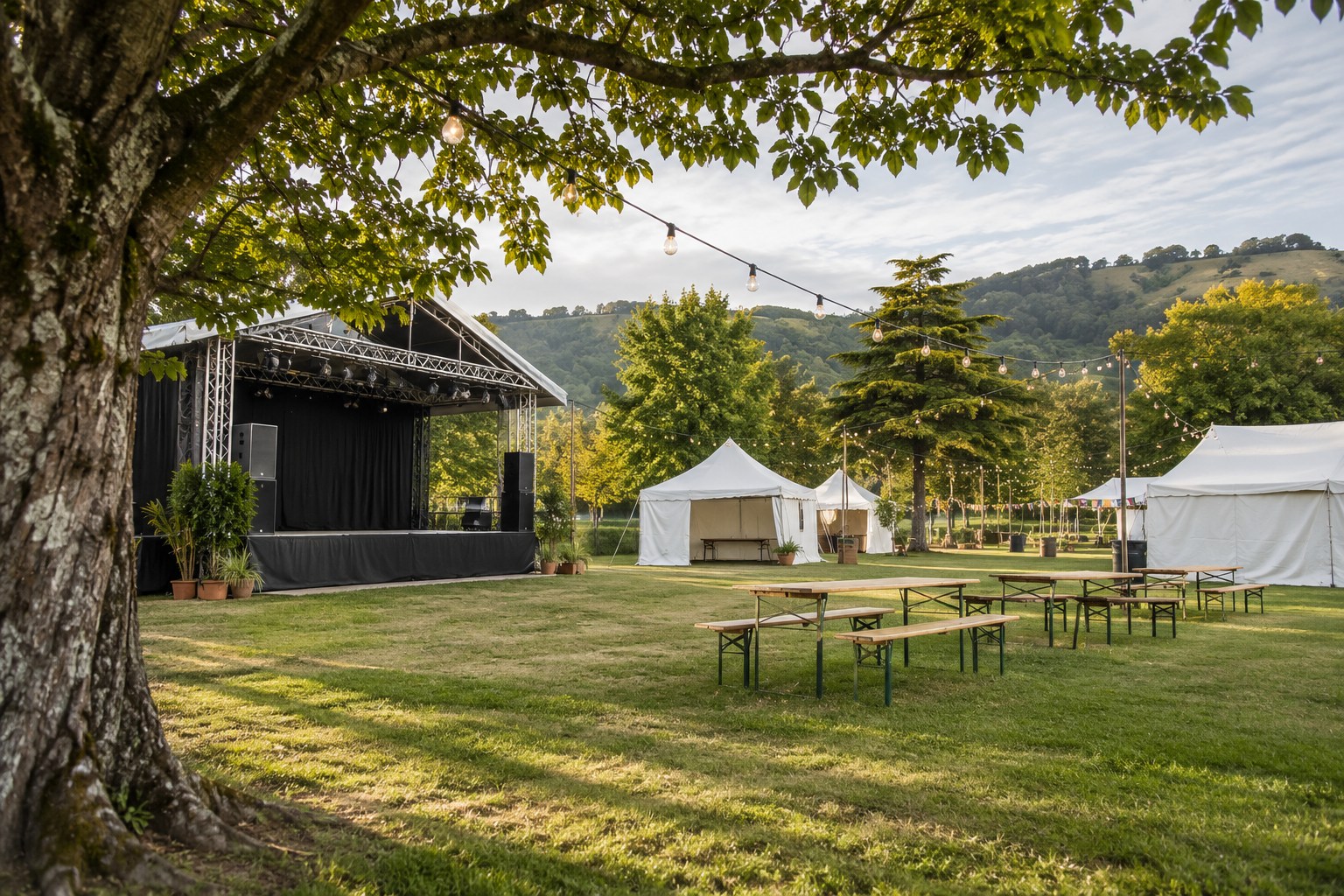
A street festival in central Wellington can fit into an afternoon. A New Year's festival in a vineyard or alpine valley needs another plan altogether: transport, accommodation, weather gear, the right ticket and a safe journey after the last act.
New Year's: Rhythm and Vines and Rhythm & Alps
Rhythm and Vines built its New Year's reputation at Waiohika Estate near Gisborne in Tairāwhiti, with live music, dancing and camping. Its 28–31 December 2026 edition will be the last at that venue. Organisers plan to relocate in 2027 but had not announced the new location by November 2026. Gisborne should not be assumed for later bookings.
Rhythm & Alps hosts electronic and live acts in the Cardrona Valley near Wānaka on 30–31 December 2026. It is R18. The rural setting is part of the draw, but late-night transport, camping and accommodation need more thought than they would for a city concert.
WOMAD and Electric Avenue
WOMAD Aotearoa brings music, dance and arts from New Zealand and overseas to Brooklands Park and the Bowl of Brooklands in New Plymouth on 12–14 March 2027. The park's gradients and paths are worth checking before arrival, especially for wheelchair users. Organisers publish accessible parking and entrance arrangements.
Electric Avenue is at Hagley Park, Ōtautahi Christchurch, on 26–27 February 2027. Entry is strictly R18: accompanied minors and infants are not admitted, and approved photo ID is required. It is easier to reach from urban accommodation than a remote campsite, but late transport, crowd movement and official ticket-resale rules still matter.
CubaDupa, jazz and local music
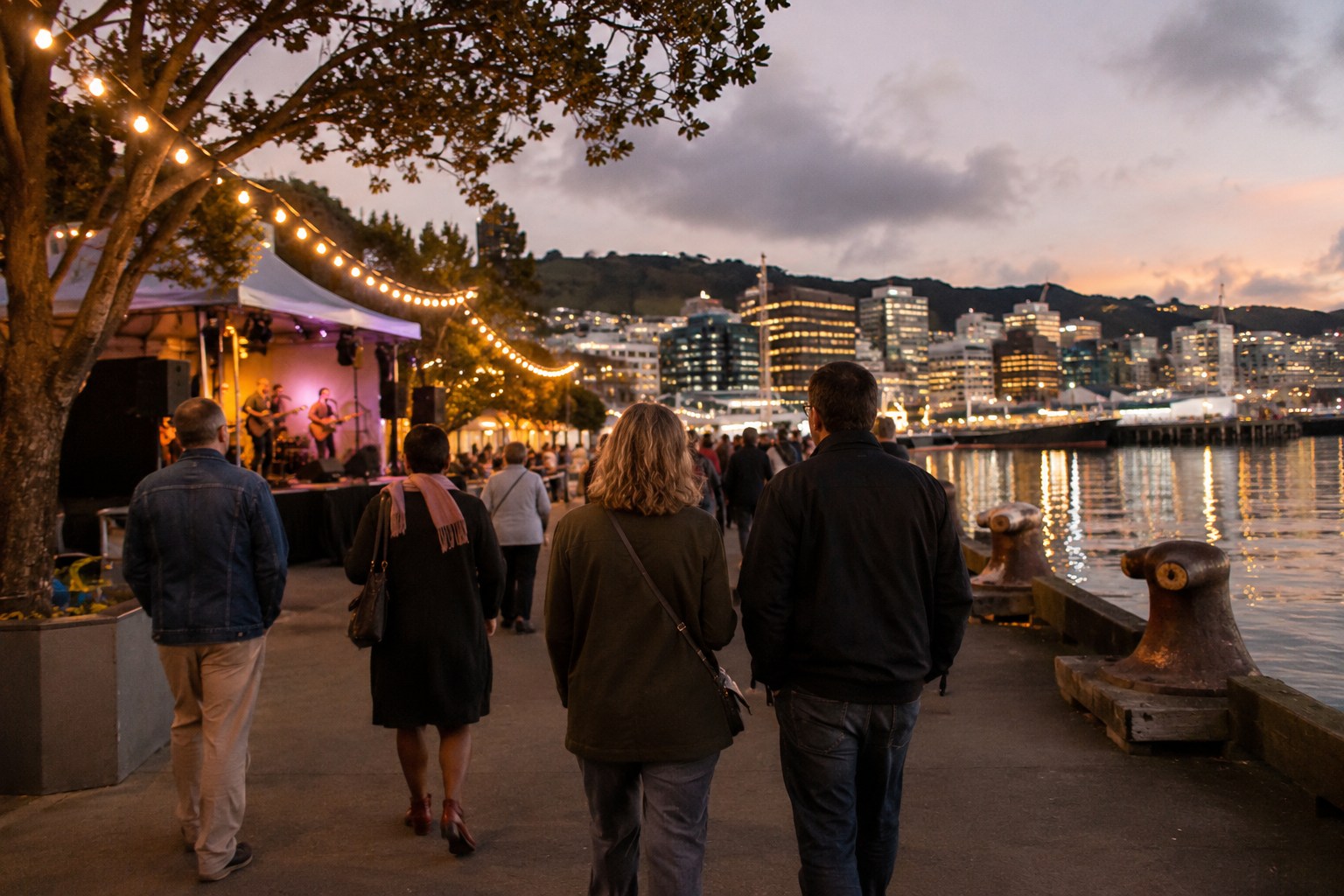
CubaDupa takes over Wellington's Cuba Street and surrounding lanes with free music, parades, dance and street theatre. Daytime performances suit families; the evening crowd has a different feel. There is no single seat or stage to commit to, so visitors can move through the precinct.
Wellington's Wellington Jazz Festival spreads concerts across halls and smaller venues. NZ Music Month in May puts local artists on stages nationwide. Auckland's Laneway Festival, folk gatherings and regional roots-music events offer further choices for people drawn to a particular sound rather than a large mixed-genre programme.
Arts, theatre, film and design across Aotearoa
World of WearableArt and the big arts festivals
The World of WearableArt (WOW) Show in Wellington combines an international wearable-art competition with theatre, choreography, dance and music. The 2027 performances run 16 September–3 October at TSB Arena. The garments are artworks presented within a stage production, not an ordinary fashion runway. Seat choice and accessible seating are specific to the performance.
Te Ahurei Toi o Tāmaki Auckland Arts Festival presents theatre, dance, music and cross-disciplinary work across Auckland from 4 to 21 March 2027. Wellington's Aotearoa New Zealand Festival of the Arts is biennial. After its 2026 edition, the next is scheduled for 2028; it has no equivalent 2027 season.
Fringe, literature and independent voices
Wellington's New Zealand Fringe Festival and Ōtepoti's Dunedin Fringe Festival host independent comedy, theatre, visual art and performance in established and unconventional venues. Dunedin Fringe uses an open-access model rather than curating every act. Shorter shows and unfamiliar names are part of the appeal, particularly for people willing to try experimental work.
The Auckland Writers Festival brings authors, poets and audiences together for readings and conversations. In the Southern Lakes, Wānaka's Festival of Colour combines performing arts with discussion on 3–11 April 2027. Nelson Arts Festival in Whakatū adds spring theatre, comedy and pukapuka (book) events.
Film events beyond the major centres
Whānau Mārama: New Zealand International Film Festival screens across multiple cities rather than at one site. Recent programmes have reached Auckland, Wellington, Christchurch, Dunedin, Hamilton, Tauranga, Napier, New Plymouth, Nelson, Masterton and Matakana. Each city has its own screenings and opening dates; the local timetable matters when planning to see a particular film.
Food, heritage and festivals rooted in their regions
Visa Wellington On a Plate brings special menus, restaurant collaborations, pop-ups and Burger Wellington to the capital in August. It is spread among hospitality venues, not held at a single festival ground. Even a non-ticketed event may involve paying for a meal or booking a table; separately ticketed experiences carry their own terms.
The Hokitika Wildfoods Festival puts adventurous West Coast food and local produce at the centre of a lively community event. Its 2027 date is 13 March at Cass Square. Visitors from further across the South Island may need to stay overnight; accommodation and road capacity are limited in a small town.
Art Deco Festival Napier celebrates 1930s design, vintage dress, classic cars and music in Hawke's Bay. Napier's distinctive streets owe much to reconstruction after the 1931 earthquake. February festivities include public street scenes as well as separately ticketed activities.
At Arrowtown Autumn Festival, the town's historic streets and autumn foliage frame music, food, art, comedy and community events. The 2027 dates are 15–18 April. Wānaka's Festival of Colour, Ōamaru steampunk celebrations and regional harvest and wine events offer other reasons to travel beyond the big cities.
TSB Festival of Lights illuminates New Plymouth's Pukekura Park with installations, music, outdoor cinema and family activities. Admission is free, and the 2026–27 season runs from 19 December to 24 January. It makes an easy evening outing for many locals, though garden paths after dark differ from a fully paved indoor venue.
Which region fits the kind of event you want?
Venue location is a better guide than the nearest city name. Central-city programmes combine readily with restaurants and public transport; rural valleys and small towns often call for an overnight stay.
- Northland and the Bay of Islands: Waitangi Day brings commemorations and performances to the Treaty Grounds; local arts, jazz and food events suit a longer regional visit.
- Tāmaki Makaurau Auckland: Pasifika at Western Springs; the Lantern Festival and ASB Polyfest around Manukau; Diwali at Aotea Square; plus Auckland Arts Festival and the Writers Festival in city venues.
- Waikato and Kirikiriroa Hamilton: Te Matatini 2027 is at Hopuhopu, Ngāruawāhia, not central Hamilton. Hamilton can serve as a regional base.
- Taranaki: New Plymouth hosts WOMAD at Brooklands Park and the TSB Festival of Lights at Pukekura Park, in separate seasons.
- Te Whanganui-a-Tara Wellington: WOW, CubaDupa, NZ Fringe, Wellington Jazz Festival, the Festival of the Arts and Visa Wellington On a Plate cover stage, street and food events.
- Hawke's Bay: Napier's Art Deco Festival is rooted in the city's architecture; wine and food events run at other times.
- Ōtautahi Christchurch and Canterbury: Electric Avenue takes over Hagley Park; busking, arts and food events are held elsewhere in the region.
- West Coast: Hokitika Wildfoods Festival draws visitors to the town for distinctive local food and community entertainment.
- Wānaka, Arrowtown and Central Otago: Rhythm & Alps is a New Year's event; Festival of Colour and Arrowtown Autumn Festival follow a different arts-led calendar.
- Whakatū Nelson and Ōtepoti Dunedin: Nelson Arts Festival, independent shows and Dunedin Fringe anchor distinct South Island arts programmes.
Free events, tickets and family suitability
Free admission does not always mean walking straight in, and an outdoor venue is not automatically suitable for every age. The Auckland Lantern Festival requires a free ticket in 2027, while some large music festivals bar under-18s even with an adult.
| What matters most | Strong starting points | Important distinction |
|---|---|---|
| Free family outing | Pasifika Festival, CubaDupa, TSB Festival of Lights, Waitangi Day at the Treaty Grounds | Food, travel and some activities may still cost money |
| Free event with controlled entry | BNZ Auckland Lantern Festival | 2027 admission requires a free ticket |
| Young performers and cultural learning | ASB Polyfest, Te Matatini | Different performers, audiences, venues and ticket arrangements |
| Adult-only music weekend | Electric Avenue, Rhythm & Alps | Both have R18 entry rules; valid identification is essential |
| Seated performance or indoor programme | WOW, Auckland Arts Festival, NZ Fringe, film and writers festivals | Seat category, session time and accessibility differ by venue |
| Food-led outing | Visa Wellington On a Plate, Hokitika Wildfoods Festival | A restaurant event, street stall and ticketed tasting have different costs |
With children, a shorter daytime visit, toilets, shade and a straightforward exit can matter more than a full programme. Accessibility also needs a venue-level check. At WOMAD and other park events, gradients, gravel, accessible toilets, drop-off areas and the distance between stages may determine whether a particular performance is practical.
Travel details that can change the whole weekend
Getting there and getting home
The BNZ Auckland Lantern Festival recommends public transport for Manukau because of traffic restrictions and parking demand. Electric Avenue's exit times and no-re-entry rule reduce flexibility. Cardrona Valley festivals raise questions about shuttles or designated drivers, while Te Matatini is at Hopuhopu, not central Hamilton. Check the precise entrance and final journey home before relying on a city name.
Accommodation and ticket conditions
Small-town festival accommodation can fill quickly. Timetables may require an early arrival or late departure. Passes, campsites, theatre seats and free-entry tickets have different conditions; the organiser sets the rules on refunds, transfers, bag limits and age checks.
Weather, clothing and the setting
Summer festivals need water, sun protection and a wet-weather option. New Plymouth gardens, Wellington streets and Central Otago valleys offer different levels of shelter. Dawn Matariki events and spring evening performances can be cold. Footwear matters on grass, gravel, steep paths and long routes between stages.
Cultural etiquette and photography
At Māori and Pacific gatherings, follow the hosts' guidance on photography, silence and participation, particularly during ceremonial moments. mana whenua, iwi, whānau, kai and kapa haka have specific cultural meanings; the practices around them are not interchangeable entertainment.
Common questions about festivals and events in New Zealand
What is the best month for festivals in New Zealand?
February and March bring a dense mix of arts, music and community celebrations in Auckland, Wellington, Waikato and Taranaki. December and January favour outdoor New Year's events; winter has Matariki, and spring brings WOW, Diwali and heritage programmes.
Are there free festivals in New Zealand?
Pasifika Festival, CubaDupa, TSB Festival of Lights and the Waitangi Day gathering at the Treaty Grounds are free public events. The 2027 Auckland Lantern Festival also has free admission, but a ticket is required. Food and travel usually cost extra.
Is Matariki held on the same date every year?
No. Matariki follows the Māori lunar calendar, with its public holiday on a Friday in June or July. It falls on 25 June in 2027, while community observances can run on other dates.
Is ASB Polyfest the same festival as Pasifika?
No. ASB Polyfest is a school-based Māori and Pacific cultural performance competition, with Pasifika, Diversity and Te Paparewa Māori stages in 2027. Pasifika Festival is a free public celebration of Pacific cultures at Western Springs Park.
Which festivals work well for visitors with children?
Pasifika Festival, daytime CubaDupa, Waitangi Day and TSB Festival of Lights have activities suitable for families. The Auckland Lantern Festival requires free tickets. Electric Avenue and Rhythm & Alps are R18.
Is Rhythm and Vines still in Gisborne in 2027?
Not at the old venue. December 2026 is the final Rhythm and Vines at Waiohika Estate, Gisborne. Organisers have planned a move for 2027; the new location was unannounced in November 2026.
Do all festivals use the same booking and accessibility rules?
No. Visa Wellington On a Plate may require restaurant bookings, theatre events have reserved seats and R18 festivals check photo ID. Outdoor accessibility depends on paths, distances and road closures. The event's own rules and venue map are the useful reference.