
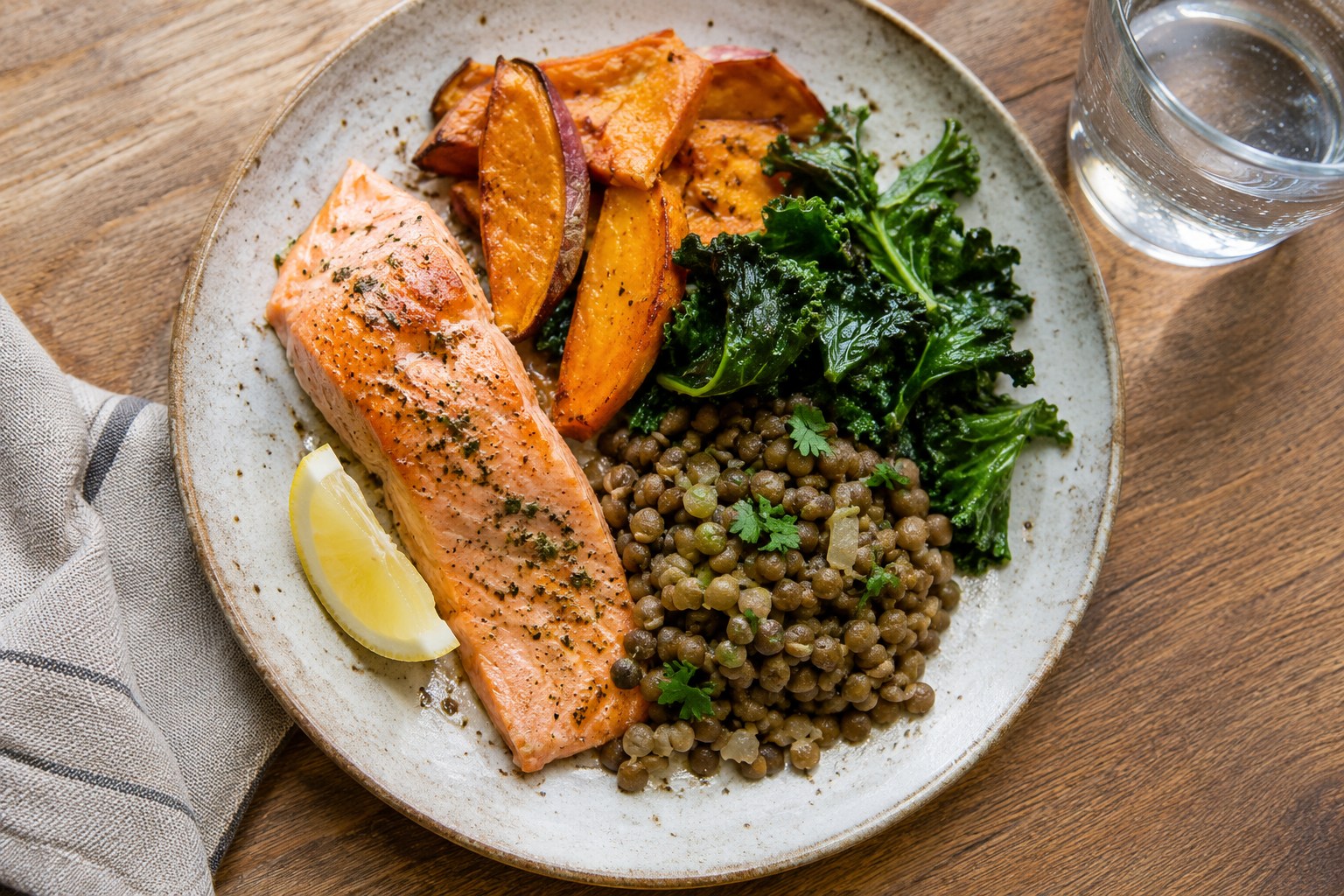
Nutrition is the way food and drink provide the energy and nutrients your body needs to function, grow and repair itself. Good nutrition supports everyday energy, digestion, muscles and bones, while helping to reduce the risk of conditions such as heart disease, stroke, type 2 diabetes and some cancers. It is about the pattern of foods eaten over time, not whether every meal is perfect.
For most adults in Aotearoa New Zealand, a reliable starting point is to eat plenty of vegetables and fruit, choose mostly wholegrain foods, include a range of protein sources, get enough calcium-rich food and make water the usual drink. A nourishing diet can include kūmara, taro, rēwena bread, rice, oats, fish, eggs, lentils, tofu, silverbeet and familiar family recipes. The useful question is not whether a food belongs to a fashionable diet, but what it contributes to the whole day.
What does the body need from food?
Food supplies macronutrients—carbohydrate, protein and fat—in relatively large amounts, and micronutrients—vitamins and minerals—in smaller amounts. Water and dietary fibre are also fundamental to health. Getting enough energy matters, but energy alone does not guarantee that a diet supplies enough iron, calcium or other essential nutrients.
Carbohydrates: energy with an emphasis on quality
Carbohydrates fuel the brain and working muscles. Sources include grain foods, fruit, milk, legumes and starchy vegetables such as potatoes, kūmara and taro. Carbohydrate is not inherently unhealthy; the more useful distinction is between foods that bring fibre and nutrients and those that provide mainly refined starch or added sugar.
Rolled oats, wholegrain bread, brown rice, barley, quinoa and wholemeal pasta provide fibre alongside energy. Fibre supports regular bowel movements and can help with blood glucose and cholesterol management. Fruit and vegetables contribute fibre, fluid, potassium and many vitamins. A person who enjoys white rice or traditional breads does not have to abandon them: pairing these staples with vegetables and beans, fish, eggs or other protein makes a more balanced meal.
Protein: growth, muscle maintenance and repair
Protein supplies amino acids needed for tissue repair, muscles, enzymes and immune function. It is found in fish, seafood, chicken, lean meat, eggs, milk products, beans, lentils, chickpeas, tofu, tempeh, nuts and seeds. Eating protein foods across regular meals can be easier than trying to fit most of the day's intake into dinner.
Plant proteins bring different advantages: legumes provide fibre as well as protein; nuts and seeds add unsaturated fat; tofu can be a versatile substitute for meat. Protein needs rise during growth and may require particular attention in later life, during recovery from illness or with a demanding training schedule. Large servings of meat or protein powder are not automatically necessary.
Fats: essential, but the type matters
Dietary fat helps the body absorb vitamins A, D, E and K, supports cell function and provides concentrated energy. Unsaturated fats from olive, canola and sunflower oils, avocados, nuts and seeds are useful everyday choices. Oily fish such as salmon and sardines supply long-chain omega-3 fatty acids.
Replacing some butter, cream, fatty meat or coconut oil with unsaturated oils can improve the balance of fats in a diet and support heart health. This is not a reason to avoid all fat or to pour extra oil over every meal; the substitution matters more than simply adding calories.
Vitamins and minerals: small quantities, specific jobs
A varied food pattern usually covers many micronutrient needs. Certain nutrients deserve extra attention when food choices are restricted or requirements increase.
| Nutrient | Why it matters | Food sources and useful detail |
|---|---|---|
| Iron | Carries oxygen in the blood. | Lean meat, mussels, beans, lentils and iron-fortified cereals. Kiwifruit, capsicum or citrus with a plant-based meal helps the body absorb non-haem iron. |
| Calcium | Supports bones, teeth and muscle function. | Milk, yoghurt, cheese, calcium-fortified plant milks and some calcium-set tofu. Check the label on plant alternatives rather than assuming all contain similar amounts. |
| Vitamin D | Helps the body use calcium. | Some oily fish, eggs and fortified foods contribute small amounts. People at risk of deficiency may need individual advice about supplements. |
| Vitamin B12 | Supports nerves and red blood cells. | Fish, meat, eggs and dairy; reliable fortified foods or a supplement are necessary for people eating a fully vegan diet. |
| Folate | Needed for cell division and early fetal development. | Leafy greens, legumes and fortified foods. Folic acid tablets have a separate, specific role around pregnancy. |
| Iodine | Supports thyroid function and growth. | Seafood, dairy, some fortified breads and iodised salt. Increasing salt intake is not a sensible way to meet iodine needs. |
| Zinc and potassium | Zinc supports normal immunity and repair; potassium is involved in nerve, muscle and blood-pressure regulation. | Zinc comes from seafood, meat, legumes and seeds; potassium occurs in vegetables, fruit, beans and potatoes. Potassium advice changes for some kidney conditions. |
Feeling tired does not, by itself, prove an iron or vitamin deficiency. Poor sleep, illness, stress, anaemia and insufficient food intake can produce overlapping symptoms. Blood tests and a clinical assessment are more useful than taking several high-dose supplements without a clear reason.
What does a balanced diet look like in New Zealand?
New Zealand's food, drink and activity guidance for adults aged 18 to 70 groups everyday foods into four broad categories. The recommended numbers of serves differ with age and individual needs; variety within each group matters as much as the total.
| Food group | Everyday choices | What to aim for |
|---|---|---|
| Vegetables and fruit | Leafy greens, broccoli, carrots, tomatoes, pūhā, kūmara, apples, berries, oranges and kiwifruit. | Adults should aim for at least five serves of vegetables and two of fruit daily, using a mix of colours and varieties. |
| Grain foods | Rolled oats, grainy bread, wholemeal roti, brown rice, barley and wholemeal pasta. | Choose mostly wholegrain or naturally high-fibre options. Amounts depend on energy needs. |
| Milk, milk products and alternatives | Reduced-fat milk, plain yoghurt, cheese and calcium-fortified soy or other suitable plant milks. | Include reliable calcium sources; the amount needed changes across life stages. |
| Protein foods | Lentils, beans, nuts, seeds, fish, seafood, eggs, chicken, tofu, tempeh and lean meat. | Rotate animal and plant sources to supply protein, iron, zinc and other nutrients. |
A simple visual guide for a main meal is to fill roughly half the plate with non-starchy vegetables, then share the rest between a protein food and a wholegrain or starchy food. A little unsaturated oil, nuts, seeds or avocado can add flavour and healthy fat. This plate guide is flexible, not a prescription for every person or every traditional dish.
Portions are easier to recognise with real food than with abstract numbers. One vegetable serve is roughly half a cup of cooked vegetables or a cup of salad leaves; half a medium kūmara can also count as a vegetable serve in the national food-group guidance. A medium apple counts as a fruit serve. For grains, one slice of wholegrain bread or half a cup of cooked rice is a common serve example. Athletes, children, pregnant people and adults with lower energy requirements do not all need the same plate size.
How to build meals that keep you satisfied
A meal that supplies fibre, protein and enough energy is often more satisfying than one built around a sweet drink or a refined snack. Rather than calculating exact macronutrient percentages, start with the food groups and adjust the amount to hunger, daily activity and medical needs.
An ordinary day of eating
- Breakfast: porridge made with rolled oats and milk or calcium-fortified soy milk, topped with kiwifruit and a spoonful of seeds.
- Lunch: a wholegrain sandwich or wrap with hummus, egg or canned fish, plus salad vegetables; a piece of fruit alongside.
- Dinner: baked kūmara or brown rice, a generous mix of roasted or stir-fried vegetables, and chickpeas, tofu, chicken or fish.
- If hungry between meals: plain yoghurt, fruit, unsalted nuts, or wholegrain crackers with cheese or hummus.
This is one flexible combination, not a fixed meal plan or calorie target. A family dinner of rice, taro, vegetables and fish can meet the same nutritional purpose as a grain bowl. A shift worker might eat at different times. Someone with a small appetite may manage smaller, more frequent meals better than three large ones.
Portion size, appetite and energy balance
Food energy is shown in kilojoules (kJ) on New Zealand nutrition labels, often alongside calories (kcal). The body needs energy for breathing, circulation, thinking and movement. Energy needs differ with body size, age, activity, growth, pregnancy and illness; a single daily calorie allowance is not appropriate for everyone.
If the aim is to maintain a stable weight, regular meals that include vegetables, fibre-rich carbohydrates and protein may make appetite easier to manage. If weight changes without explanation, or eating has become unusually restrictive, the answer is not simply to cut or add calories. A clinician or registered dietitian can assess underlying causes and nutritional adequacy.
Hunger and fullness are useful signals, although medication, illness, stress and irregular shifts can alter them. Eating slowly enough to notice satisfaction and having food available for long workdays can be more practical than following rigid rules about when every person must eat.
Fibre, water and gut health
Dietary fibre comes from plant foods: vegetables, fruit, whole grains, beans, lentils, nuts and seeds. It supports bowel regularity and helps feed the gut microbiota. Oats, barley, beans and some fruits contain soluble fibre, which can support healthy cholesterol levels. Other fibres add bulk to stools and help prevent constipation.
Increase fibre gradually if current intake is low, and drink enough fluid as you do so. A sudden large increase in bran or legumes can cause bloating. Soaking and cooking dried beans properly, rinsing canned legumes and starting with small portions can make them easier to tolerate.
Water is the best everyday drink for most people. Needs change with heat, physical activity, breastfeeding and illness; urine colour and thirst can be practical clues for many healthy adults, but they are not reliable for everyone. People with heart or kidney conditions may have a prescribed fluid allowance and should follow their care plan rather than a generic water target.
Foods and drinks worth limiting
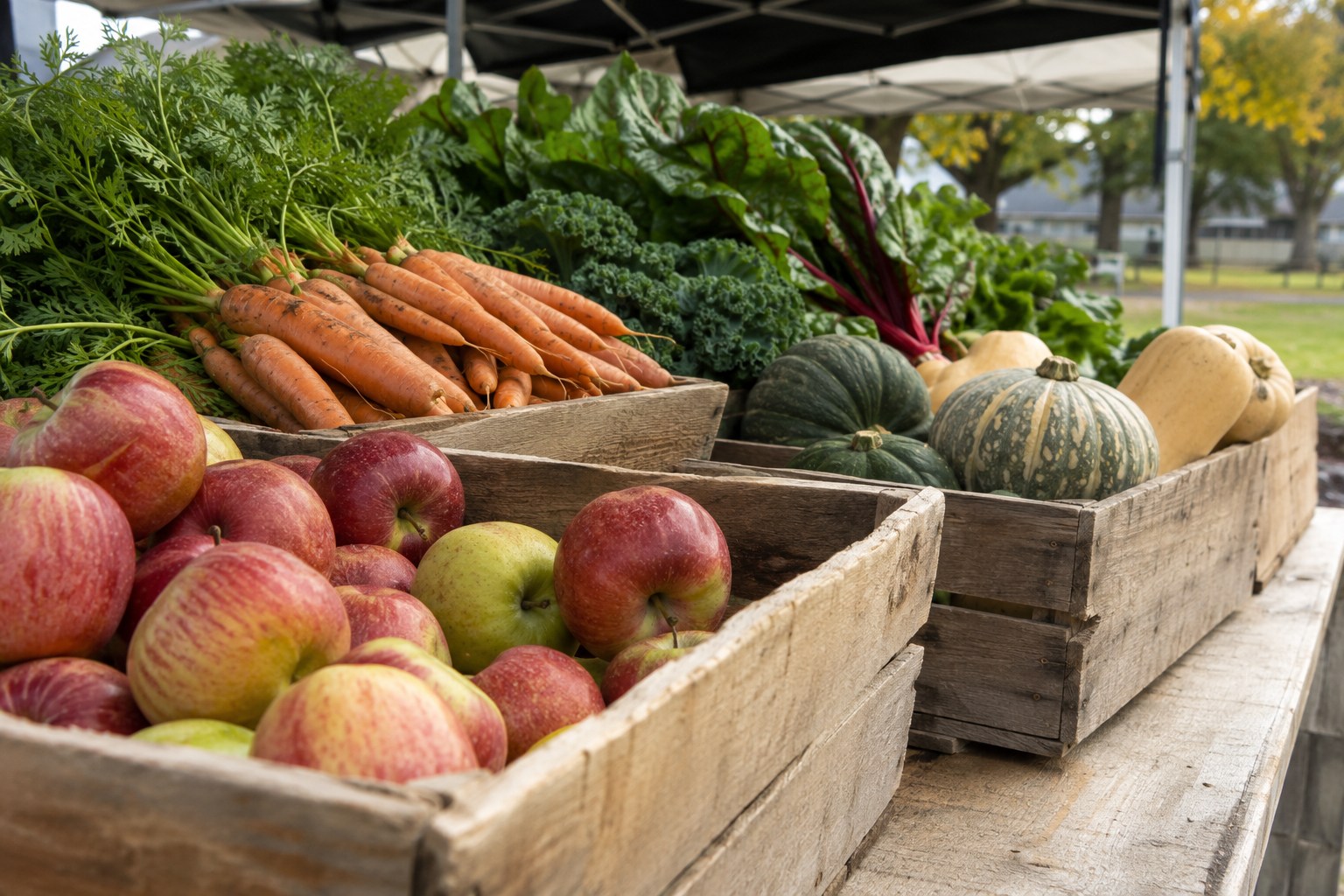
The goal is not to classify every food as good or bad. Foods high in added sugar, sodium or saturated fat can crowd out more nourishing choices when they dominate the diet.
- Free sugars: soft drinks, energy drinks, confectionery, syrups and many sweetened beverages make it easy to consume sugar without much fibre or lasting fullness. Whole fruit is a better everyday option than fruit juice. The World Health Organization advises keeping free sugars below 10% of daily energy intake, with lower intakes bringing further benefits.
- Salt and sodium: processed meats, instant noodles, salty sauces, packaged snacks and some takeaways contribute substantial sodium. The WHO recommends less than 5 g of salt a day for adults, roughly one level teaspoon from all sources combined. Use herbs, garlic, ginger, lemon and spices to add flavour; choose iodised salt when salt is used.
- Saturated and trans fats: frequent large portions of fatty meats, butter-rich baking and some fried foods can displace healthier fats. Use olive, canola or sunflower oil more often and choose nuts, seeds or fish as appropriate.
- Alcohol: it adds energy without essential nutrients and carries health risks, including cancer risk. It is not necessary for a balanced diet.
Processing alone is a poor test of nutritional quality. Frozen vegetables, canned tomatoes, canned beans, rolled oats, pasteurised milk and tinned fish are processed to some degree and can be excellent staples. Pay attention to the ingredient list and nutrient profile rather than dismissing an entire food category.
How to read nutrition labels in a New Zealand supermarket
Packaged foods in New Zealand commonly show a Nutrition Information Panel with energy, protein, fat, saturated fat, carbohydrate, sugars and sodium. Most panels give values both per serving and per 100 g or 100 mL. The per-100 figure is better for comparing similar products because manufacturers can choose different serving sizes.
When choosing between two breakfast cereals, compare fibre, total sugars and sodium per 100 g, then check whether whole grains appear near the beginning of the ingredient list. A cereal labelled “natural” or “multigrain” is not automatically higher in fibre or lower in sugar. The same method works for yoghurt, bread, crackers, soups and plant-based milks.
There are two common traps. First, total sugars includes naturally occurring sugars in milk and fruit as well as added sugars; the ingredient list helps identify added sweeteners. Second, a “no added sugar” claim does not mean a product contains no sugar. Products displaying a Health Star Rating can be compared with similar packaged foods, but stars are not a substitute for looking at the whole diet.
People managing food allergies need to check allergen declarations every time a packaged product changes. For anyone choosing a dairy-free alternative, look for added calcium, adequate protein for the intended use and vitamin B12 if animal products are excluded.
Eating well on a budget
Healthy meals do not require expensive powders, specialty “superfoods” or a trolley full of fresh produce every day. Food costs, transport, cooking facilities and time affect what is realistic for a household. A useful budget strategy is to build meals around a few low-cost staples and change the vegetables, seasonings and protein from day to day.
- Use rolled oats, brown rice, wholemeal pasta and potatoes or kūmara as versatile staples.
- Choose dried or canned lentils, chickpeas and beans for affordable protein and fibre; compare sodium and rinse canned legumes when appropriate.
- Keep frozen mixed vegetables and fruit available for weeks when fresh produce is expensive or spoils quickly.
- Buy seasonal produce when the price is favourable, and consider silverbeet, carrots, cabbage and other options that work in several dishes.
- Use eggs, tinned fish, tofu or smaller amounts of lean meat with legumes rather than relying on a large meat portion in every meal.
- Cook extra portions safely and refrigerate or freeze them promptly; planned leftovers can become tomorrow's lunch.
A pot of lentil and vegetable soup, bean chilli over rice, or a stir-fry with cabbage, carrots and eggs can be both filling and nutrient-rich. Food security is also a community and policy issue: access to affordable kai is shaped by income, housing, local shops and transport, not simply by individual motivation. Shared whānau meals, community gardens and familiar cultural foods can all be part of healthy eating.
When nutritional needs change
Pregnancy and breastfeeding
Pregnancy raises the importance of folate, iodine, iron, food safety and sufficient energy. In New Zealand, standard pregnancy advice is an 800 microgram folic acid-only tablet daily for at least four weeks before pregnancy and through the first 12 weeks, plus a 150 microgram iodine-only tablet daily from the start of pregnancy until breastfeeding ends. Individual circumstances, including a higher risk of neural tube defects or a thyroid condition, need advice from a midwife or doctor. Other supplements should not be added automatically.
Food safety also becomes more important. Some ready-to-eat chilled foods, unpasteurised dairy products and undercooked animal foods carry a greater risk from organisms such as Listeria. New Zealand Food Safety maintains specific pregnancy food guidance, which is more appropriate than a generic healthy-eating list for deciding what is safe.
Babies, children and teenagers
Infants have their own breastfeeding or infant-formula and complementary-feeding requirements; adult portion rules do not apply. As tamariki grow, regular meals and suitable snacks provide fuel for learning, play and development. Offer food from several groups without pressuring children to finish their plates. Younger children need smaller portions, safe textures and supervision to reduce choking risks. Whole nuts and similarly hard foods are unsuitable for young children.
Water and milk are useful regular drinks for children; sugary drinks can add sugar and increase tooth-decay risk. Vegetarian children need enough energy, protein, iron, calcium and vitamin B12, with particular care if animal foods are completely excluded.
Older adults
Later in life, appetite, taste, thirst, mobility and chewing ability can change. A person eating less may need to make every meal more nutrient-dense rather than simply choose smaller versions of low-energy meals. Protein foods distributed through the day, calcium-rich foods, adequate vitamin D, fluids and strength-building activity help support muscle and bone health. Unintentional weight loss or difficulty swallowing calls for individual assessment.
Vegetarian and vegan eating
Vegetarian and vegan diets can be nutritionally adequate when they are planned around legumes, soy foods, vegetables, fruit, whole grains, nuts and seeds. A fully vegan diet needs a reliable vitamin B12 source from fortified foods or supplementation. Iron absorption can improve when beans, tofu or greens are eaten with vitamin C-rich foods. Calcium-fortified alternatives, iodine, zinc and omega-3 fats deserve attention, particularly during pregnancy, breastfeeding and childhood.
Diabetes, kidney disease, coeliac disease and allergies
For type 2 diabetes, the overall quality and amount of carbohydrate, regular meal patterns and medication needs matter more than a blanket ban on bread, rice or fruit. A balanced diet rich in vegetables, whole grains and suitable protein is compatible with diabetes care, but carbohydrate targets and medication adjustments should be individualised.
For chronic kidney disease, advice about protein, sodium, potassium, phosphate and fluids depends on the stage of illness and blood results. Potassium-based salt substitutes can be unsafe for some people with kidney disease. Coeliac disease requires a strict gluten-free diet after diagnosis, including avoidance of oats under New Zealand guidance. Stopping gluten before diagnostic testing can make the test less reliable, so suspected coeliac disease needs clinical assessment first. A confirmed food allergy requires avoidance of the relevant allergen and attention to cross-contact. Unnecessary exclusions can make it harder to obtain fibre, calcium or other nutrients.
Do you need supplements or a special diet?
Supplements can be important for a diagnosed deficiency, a fully vegan diet, pregnancy or another defined medical need. They cannot replace the mixture of fibre, protein, minerals and other compounds supplied by everyday foods. High doses are not always harmless: excess iron, vitamin A and some other nutrients can cause problems or interact with medicines.
“Detox” plans, juice cleanses and extreme carbohydrate restrictions are not required for healthy liver or kidney function. A diet does not become superior because it is labelled keto, paleo, organic, low-fat or gluten-free. What counts is whether it supplies enough nutrients, fits the person's health needs and remains workable over time.
Warning signs that deserve attention include unexplained weight loss, ongoing fatigue, persistent digestive problems, repeated dizziness, a very limited range of foods or difficulty eating enough. A GP or registered dietitian can help assess whether a deficiency, medical condition, food intolerance or another issue is involved.
Small changes that make nutrition easier to sustain
For someone who currently eats few vegetables, adding a serving at lunch and another at dinner is more useful than adopting an elaborate meal plan for one week. Replacing a daily sugary drink with water reduces free sugar without changing the entire menu. Switching a usual cereal to a higher-fibre option, or using beans in a familiar stew, builds on food habits that already exist.
Meals also serve cultural and social purposes. Nutrition does not have to erase shared kai, celebrations or foods that connect people with place and family. A pattern of varied plant foods, suitable protein, healthy fats, enough energy and sensible portions can accommodate different cuisines, budgets and routines. Consistency across ordinary days matters far more than a single unusual meal.