
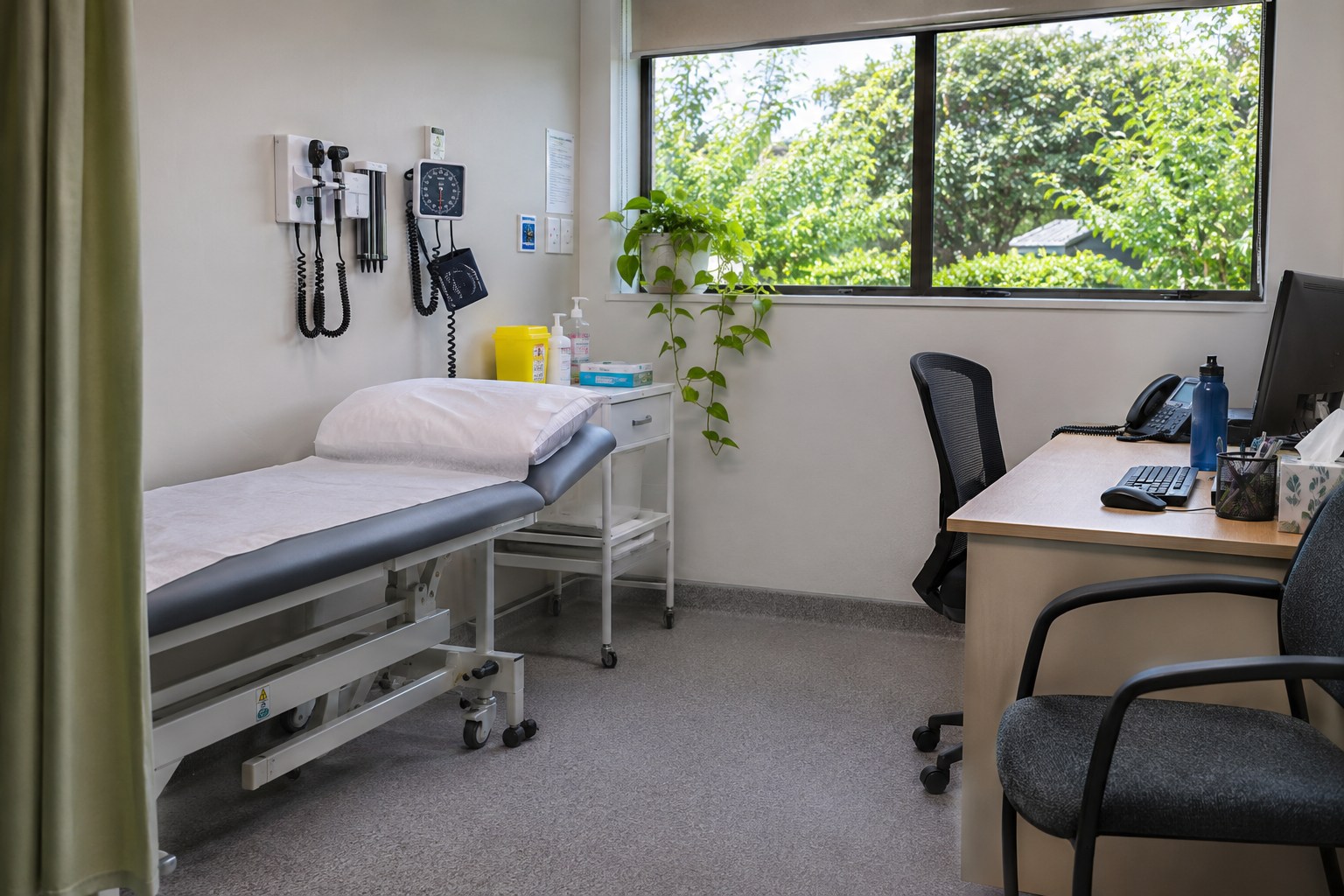
A blood pressure reading cannot tell you whether someone is exhausted, overwhelmed or living in a damp home. Food, activity, sleep, relationships and access to healthcare all matter to health, especially when ordinary life becomes difficult.
In Aotearoa New Zealand, that includes decisions that are easy to put off: a health check when you feel fine, sun protection on a cool day, or medical advice for symptoms that have not gone away. The right starting point must also fit your budget, culture and circumstances.
What does being healthy actually mean?
An active person can still feel isolated or overwhelmed. Someone living with diabetes, disability or chronic pain may need a different routine, but their condition alone does not define how well they live.
Sir Mason Durie's Māori model Te Whare Tapa Whā pictures wellbeing as a wharenui (meeting house) with four walls: taha tinana (physical health), taha hinengaro (mental and emotional health), taha whānau (family and social wellbeing) and taha wairua (spiritual wellbeing). Its foundation is Whenua , the connection to land and place. Symptoms and fitness are only part of the picture.
Healthy routines are not equally easy for everyone. Shift work disrupts sleep. A cold, damp rental can aggravate breathing problems, and food prices shape what a family eats. Caring for tamariki or older whānau also takes time. Those constraints need practical answers, not another reminder to try harder.
Choose the right starting point
Before changing a habit, work out whether you are dealing with an everyday problem, a persistent symptom or something urgent.
| What you notice | A useful first step | When to seek care |
|---|---|---|
| Low energy after short nights or irregular meals | Review sleep timing, food and fluid intake over several days | If tiredness persists, worsens or comes with other symptoms, arrange a GP assessment |
| Less movement than you would like | Build a repeatable, comfortable activity into an existing routine | Seek personalised advice for new exercise if symptoms, significant limitations or an unstable health condition are present |
| Stress, worry or feeling disconnected | Make room for rest and contact with someone you trust | Get support when distress affects sleep, work, relationships or safety |
| Chest pain, severe breathing difficulty or sudden stroke symptoms | Call 111 for emergency help | Immediately; do not wait to test a home remedy |
The person who wants to cook at home more often has a different problem from someone getting breathless on stairs. New or unexplained breathlessness needs medical attention. Notes about sleep, symptoms, activity or blood pressure can make a consultation more useful; a smartwatch or a home reading cannot diagnose the cause.
Eat well without turning meals into a set of rules
Eating well should not require costly powders or cutting out whole food groups. Everyday meals can supply fibre, protein, fats, vitamins and minerals that support heart health, digestion, blood glucose and energy.
Build an ordinary meal around food you recognise
For an everyday meal, try half a plate of vegetables or salad, a quarter of wholegrains or starchy vegetables, and a quarter of protein-rich food. Roast kūmara with fish and greens fits; so do rice with tofu and stir-fried vegetables, or taro, beans and seasonal produce. Eating well need not mean abandoning familiar cultural foods.
- Vegetables and fruit: Choose a variety of colours. Frozen vegetables, canned tomatoes and fruit packed without added syrup are useful when fresh produce is costly.
- Wholegrains and fibre: Oats, wholegrain bread, brown rice and legumes support digestion and help with cholesterol and blood glucose management.
- Protein: Eggs, lentils, beans, tofu, yoghurt, fish and lean meat help maintain and repair body tissues, including muscles.
- Fats: Nuts, seeds, avocado and liquid plant oils provide unsaturated fats; portion sizes still matter.
- Drinks: Water is a reliable everyday choice. Sugary drinks and frequent energy drinks add sugar or caffeine without replacing a nourishing meal.
When comparing packaged foods, check sodium (salt), added sugar, fibre and saturated fat per 100 g. That makes two similar products easier to compare than a front-of-pack health claim does. Oats, beans, leftovers and frozen or canned vegetables can help stretch a food budget without losing variety.
Body weight tells only part of the story. Blood pressure, strength, energy, eating behaviours and metabolic risk matter too. Unexplained weight loss, persistent digestive changes, an eating disorder, pregnancy or a diagnosed condition call for individual advice from a clinician or registered dietitian, not an unsupervised restrictive diet.
Make movement part of a normal week
Walking, cycling, swimming, dancing, gardening, housework and active play all count. For most adults, the longer-term target is at least 150 minutes of moderate activity a week, or 75 minutes of vigorous activity, plus muscle-strengthening activity on two days . At moderate intensity, you breathe harder but can still talk.
Starting from very little? Five or ten comfortable minutes on most days is enough to establish a routine. A walk after lunch or movement during a work break may fit family life better than a demanding exercise programme.
Resistance bands, supported squats, suitable weights and carrying shopping can build strength. Balance practice helps many older adults reduce falls. Wheelchair users and people with limited mobility can tailor exercise to their abilities; movement does not require standing.
Break up long spells of sitting, even if you already exercise. Chest discomfort, unusual breathlessness, dizziness or a condition that limits exertion warrants medical advice before increasing intensity. Sudden or severe symptoms need urgent assessment.
Protect your sleep, not just your bedtime
Most adults need around seven to nine hours of sleep each night. Sleep helps with concentration, mood, immune function and physical recovery. A run of short nights can make pain and stress harder to handle; stress can then make sleep worse.
A steady wake-up time helps set your body clock. Morning daylight, daytime movement and a cool, dark bedroom also help. Late caffeine, alcohol before bed and bright screens can interfere with rest. For shift workers, protecting daytime sleep from noise and light may matter more than following a conventional bedtime routine.
Loud snoring with pauses in breathing, waking up gasping or struggling to stay awake during the day calls for assessment for obstructive sleep apnoea . Medicines, anaemia, mood disorders and other illnesses can also cause fatigue. Extra hours in bed will not resolve every cause.

Mental wellbeing needs connection as well as rest
Long periods of stress can disturb sleep, appetite, concentration and relationships. Anxiety and depression are health conditions, not failures of willpower. Exercise and positive thinking may be part of someone's routine, but neither replaces appropriate treatment.
The Mental Health Foundation of New Zealand's Five Ways to Wellbeing are connect , be active , take notice , keep learning and give . Sharing kai with whānau, walking with a friend, learning a skill or spending time outdoors can put those ideas into an ordinary week.
Belonging might come from one trusted friend, a marae, a faith or cultural community, or an accessible online group. You do not need a busy social calendar. Choosing time alone can be restorative; unwanted isolation is different.
Persistent sadness, panic, loss of interest, harmful substance use or trouble with everyday responsibilities deserves support. In New Zealand, a free call or text 1737 reaches a trained counsellor at any hour. If someone is in immediate danger, call 111 .
Prevention matters even when you feel fine
High blood pressure, high cholesterol and raised blood glucose often cause no obvious symptoms. They still increase the risk of heart disease, stroke and type 2 diabetes. A GP or nurse can carry out a cardiovascular risk assessment using blood pressure, cholesterol, smoking, diabetes, age, family history and other factors. Personal risk determines when to arrange that check.
For someone at risk of diabetes, an HbA1c blood test reflects average blood glucose over the previous two to three months. Symptoms and medical history matter when interpreting it. If you already take medication for a long-term condition, keep following the agreed care plan; feeling better after a lifestyle change is not a reason to stop treatment on your own.
Keep screening and immunisations on the radar
New Zealand's organised screening programmes look for changes before symptoms develop. Cervical screening generally covers eligible people with a cervix aged 25–69 and uses HPV-based testing. BreastScreen Aotearoa offers mammograms to eligible women aged 45–69. The programme is expanding in stages to qualifying people aged 70–74. Bowel screening offers eligible people a home test every two years up to age 74; Health New Zealand districts are lowering the starting age in stages. Check current eligibility with Health New Zealand .
Screening is not a diagnostic test for symptoms. A breast lump, unexplained bleeding, blood in the stool or a lasting change in bowel habit needs clinical assessment, even after a normal screening result or before the next invitation arrives.
Vaccines protect against illnesses that can be serious. Depending on age, pregnancy, medical history and eligibility, the relevant vaccines may include influenza, COVID-19, measles, tetanus, whooping cough, HPV and shingles. The New Zealand immunisation schedule sets out current recommendations and funded options.
Do not leave oral and sexual health out
Brush twice daily with fluoride toothpaste and clean between teeth regularly. Tooth decay and gum disease can make eating painful and affect general wellbeing. Sexual health deserves equal attention: consent, contraception, STI testing and protection. Condoms reduce the risk of many sexually transmitted infections, yet some STIs have no symptoms. A GP or sexual health clinic can advise when testing is appropriate.
Everyday health risks that are easy to miss in Aotearoa
Strong UV, even when the weather feels mild
New Zealand's UV radiation can be strong even when the air feels cool. When the UV Index is three or higher , use shade, covering clothing, a broad-brimmed hat and UV-protective sunglasses. Apply broad-spectrum, water-resistant sunscreen of at least SPF 30 to exposed skin. From September to April, take particular care roughly between 10 am and 4 pm. Sunscreen is backup for shade and clothing, not a replacement.
Cold, damp or poorly ventilated homes
Cold, damp and mouldy homes increase respiratory illness risk, especially for tamariki and vulnerable household members. Health New Zealand advises an indoor temperature of at least 18°C , with warmer rooms for babies, young children and older people. Ventilation, extractor fans, drying laundry outdoors when possible and managing condensation help with moisture. Persistent mould or inadequate heating may need landlord action or housing support.
Tobacco, vaping and alcohol
Quitting smoking reduces the risks of heart disease, lung disease and several cancers. A smoker who switches completely from cigarettes to nicotine vaping avoids many of the toxins released when tobacco burns. Vaping still carries risks and is not a habit for non-smokers. Quitline and stop-smoking services offer support.
Alcohol increases the risks of injury, poor sleep, liver disease and several cancers. Drinking less reduces exposure; no amount is entirely risk-free. Shaking or sweating after cutting back may signal withdrawal. Get medical advice rather than stopping abruptly without support.
Where to get health help in New Zealand
| Situation | Appropriate support |
|---|---|
| Routine health checks, persistent symptoms, prescriptions or long-term conditions | GP or general practice nurse. Enrolling with a practice supports continuity of care. |
| Questions about medicines or minor, uncomplicated health problems | Community pharmacist. They can advise when a medical assessment is needed. |
| Uncertain whether an illness needs treatment, or unable to reach a GP | Healthline: 0800 611 116 , free, 24 hours a day, seven days a week. |
| Distress or a need to talk with a counsellor | Call or text 1737 , free, 24/7. |
| Chest pain, severe breathing difficulty, a serious allergic reaction, severe bleeding, loss of consciousness or sudden stroke signs | Call 111 for an ambulance. Stroke warning signs include facial droop, arm weakness and speech difficulty: act FAST. |
A GP or general practice nurse can arrange referrals, investigations, immunisations and ongoing care for asthma, hypertension or diabetes. Healthline has interpreter options and support for people with communication needs. Rural travel, disability and cost can make access difficult; telehealth, accessible appointments or local services may offer a workable alternative.
Common questions about health and lifestyle
Can I be healthy if I have a long-term condition?
Yes. Arthritis, diabetes or heart disease may change what a sustainable routine looks like, but treatment, adapted movement, food, sleep and supportive relationships can still improve everyday function and quality of life.
Do I need supplements to stay healthy?
Usually not. A varied diet is the starting point, but pregnancy, restricted diets, some medicines or a diagnosed deficiency may create a need for iron, vitamin B12, vitamin D or folic acid. A pharmacist, dietitian or clinician can help decide whether to test or supplement. More is not automatically better.
Why am I tired even though I sleep enough?
Seven or eight hours in bed can still leave you tired if you wake repeatedly. Obstructive sleep apnoea, stress, depression, low iron, thyroid problems, medicines and other conditions are possible causes. A GP can assess ongoing fatigue and decide whether tests are needed.
Is a screening test the same as a health check for symptoms?
No. Screening is for eligible people who feel well. A new symptom needs diagnostic care, not a wait for an age-based invitation.
A realistic way to make healthy habits stick
Choose a change that solves a problem you actually have. When evening commitments crowd out sleep, protecting a regular bedtime may help more than adding a hard workout. On a tight food budget, beans, vegetables and wholegrains are a better starting point than specialist products.
Give a new routine a few weeks, then look at what has changed: sleep timing, movement, how satisfying meals feel, mood and any symptoms. Compare with your own starting point. If the plan leaves you in pain, constantly hungry, more anxious or unable to handle daily responsibilities, adjust it rather than pushing through.